

Traveling in Japan for First-Time Travelers 2026 by Navdeep Kr covers places, food, culture, costs, common mistakes, safety, and everything first-time travelers need to know before visiting Japan.
My First Real Feeling After Landing in Japan
When I first arrived in Japan, it was like nothing I had experienced before in any other country. There was no noise, no confusion, no hustle and bustle-even at the airport. Everything was tranquil, ordered, and in efficient motion. I recall taking a moment to simply observe the crowd. No one was jostling anyone else, and no one was yelling, and everyone seemed to know where they are headed.
In fact, as a traveler, I learned an early lesson in Japan: Japan does not adapt to visitors, and visitors need to adapt to Japan. This is a country that is based upon discipline, respect, and unspoken norms. It is easy to learn these early in life, and once they are, Japan turns out to be one of the safest places to ever travel to. Otherwise, everything, down to such nothings as train travel, eating, and polite behavior, makes one feel as though they are drowning.
This article is neither an attempt to impress others nor entertain but so that you don’t repeat the mistakes I did in Japan, and your first time in the Japan experience is so seamless and pleasant.
Understanding Japan Before You Travel
Prior to looking for plane and hotel reservations, the most essential preparation that one can make for Japan, and perhaps the only one, is to psych themselves up. Japan is not a hard place, but it’s very finicky. All things operate according to systems, including trains, ordering meals, lines, trash collection, and pedestrian movement.
“Figure things out as I went along” was what I was used to doing in so many other countries. It doesn’t work that way here. To be prepared is to respect. When I came to terms with this and paid more attention to what the locals were doing, everything turned around. It started to be more fun to travel, interactions went more smoothly, and the feeling of being lost started to fade away.
Visitors to Japan are expected to be alert, quiet, and respectful. And you don’t have to be perfect just by trying, but that kind of attitude will make all the difference.
Where Japan Is Located & Why Geography Matters for Travelers
Japan is a country that consists of thousands of islands, and the largest one is Honshu, which houses the city of Tokyo, Kyoto, Osaka, and Hiroshima. This directly identifies the nature of the geography in which the activity of travel planning is considered. The distances may look short in the map example, but the act of traveling may take time depending upon the route to be followed.
“One thing you underestimate is the scale of train stations in Japan. You can arrive ‘on time’ but then take 15-20 minutes just getting out of the train station. That is why traveling through Japan is not an experience of rushing but of planning.”
Northern Japan is chilly and noiseless, but southern Japan is warm and laid-back. This is where geography affects food, culture, and attitude traits of the people. This understanding was an important factor that assisted me in planning ways to conserve energy effectively.
Japan Visa Process: What First-Time Travelers Must Know
“The Japanese visa application is strict but fair,” said one tourist. “The Japanese indeed require an application from the Indian Subcontinent beforehand, and they seem to appreciate more sincerity than luxury.” From my personal experience, one of the biggest mistakes that a person can make is to have too much of a generic itinerary. “Japan wants to know that you have a rational travel pattern, that you have secured accommodation, and that you have honest intentions,” said one applicant.
I kept my travel plans simple, you know, Tokyo, Kyoto, Osaka – nothing beyond that. I didn’t pretend that I was planning on seeing all of Japan. That sort of honesty is important. Your financial paperwork needs to reflect how you intend to keep your money straight while you are away. Don’t exaggerate
As soon as the visa has been acquired, it can be said that it’s as if Japan itself has shown some faith in you. That’s where the journey of the traveler begins.
Best Time to Visit Japan
Spring
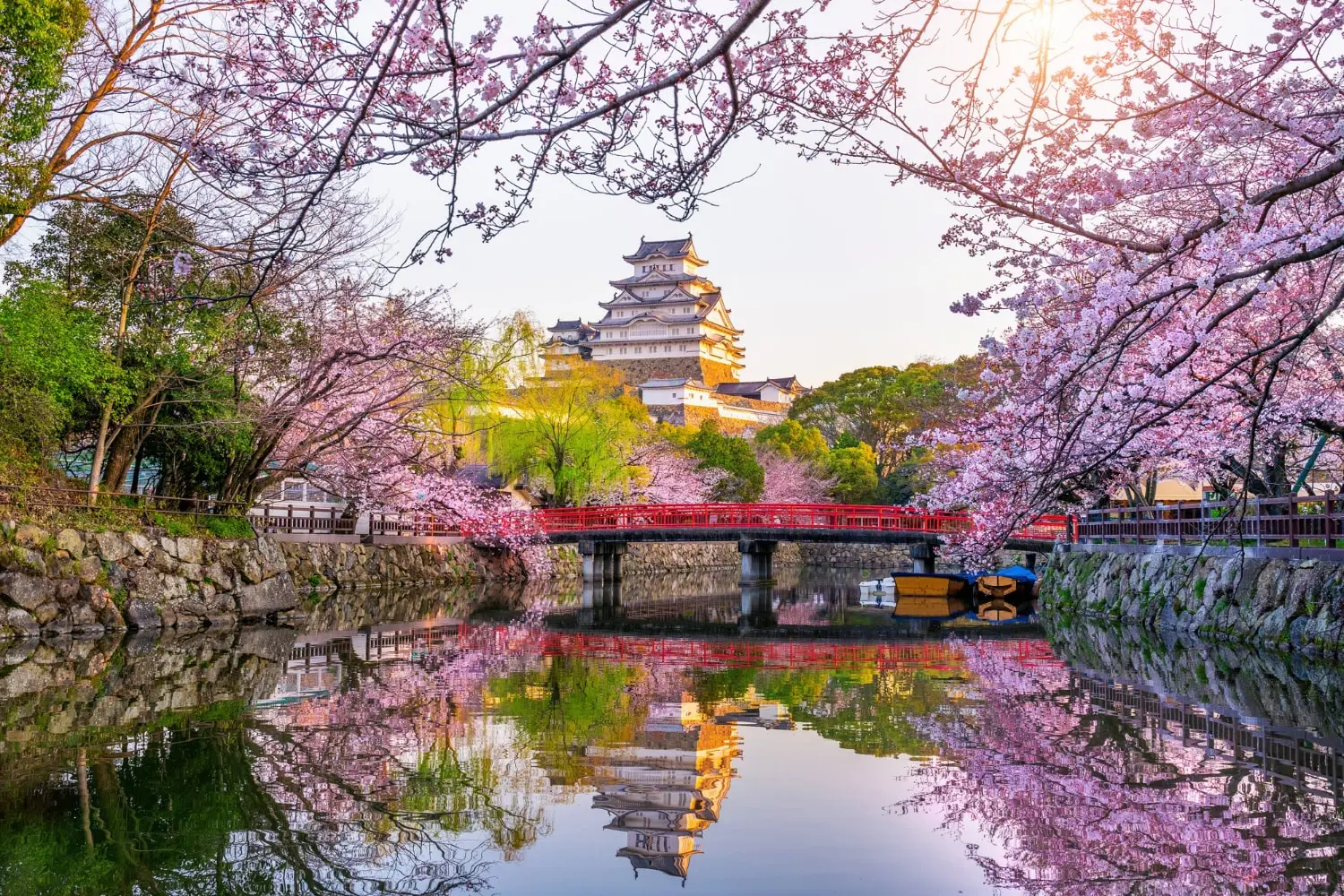
Spring means the blooming of cherry blossoms, which, yes, is beautiful. But it’s also really, really crowded and pricey. I liked the scenery but felt like I was being rushed in the popular places because of the crowd.
Summer
Summer in Japan: Japan has humid and hot weather in the summer. Walking in Japan in summer can be tiring, particularly in cities. Summer festivals in Japan are exciting and full of cultural experiences.
Autumn
This was my favorite season: good weather and not so many tourists, lovely fall foliage. Traveling seemed peaceful and harmonious.
Winter
Winter is a quiet season, especially outside of Tokyo. The snowy areas of the country are breathtaking, though cities can be quite chilly. Depending on the focus on scenic, comfort, and budget concerns, the ideal time to visit Japan might differ.
Japan Travel Costs: Is Japan Really Expensive?
Japan is considered an expensive country, but it is not entirely true. Japan is based on value rather than being costly. Air tickets are costliest, especially when traveling from India. After entering the country, everything costs less.
Eating out is surprisingly budget-friendly if you eat at local restaurants. Public transportation is efficient, although if you move around the country regularly, transportation costs can pile up. There’s no shortage of affordable places to stay, as well as more expensive ryokans.
Learned the maximum: Japan can be expensive only when you don’t plan well. When you have plans in mind, it is all worth the rupees.
Famous Places in Japan You Must Visit
Tokyo: Organized Chaos That Works Perfectly
Tokyo is an imposing sight, yet it is a seamless machine. With so many people around, everything is on schedule. Neighborhoods such as Shibuya embody youthfulness, Asakusa is for traditional culture, and Shinjuku comes alive at night. “Tokyo will teach you the secret that comes from discipline: freedom.”
Kyoto: The Emotional Heart of Japan
Kyoto is slow, silent, and full of culture. Temples and alleys and silent mornings require patience. I was foolish to hurry through Kyoto; it is a place to be savored.
Osaka: Food, Warmth, and Energy
Osaka: Food, Warmth, and Energy of Osaka is friendly and energetic. The street food culture is prominent, and the people are warmer while interacting. Osaka is comparatively laid-back compared to Tokyo.
Japanese Food Experience: What Eating in Japan Is Really Like
I really thought before going to Japan that Japanese cooking was just about sushi, ramen, and perhaps tempura. But when I began eating the meals there every day, I realized that the cooking experience in Japan really isn’t about presentation, it’s about the respect for the ingredients and the reliability. Just go to a small ramen restaurant that’s probably hidden away down a small alley, and the experience might just surpass others that are pricey.
One thing that has struck me as odd but wonderful about Japan is how easy it is to dine alone in the country. Many establishments are made to be conducive to dining alone, particularly ramen shops. Nobody will be looking at you; nobody will be judging. This goes a long way in creating a peaceful journey, particularly if it’s alone that you are traveling.
Error on my part was that I did not venture into local, small eateries due to a lack of language understanding. This was a huge mistake on my part. There are food pictures on most menus, and the service staff are quite patient. In fact, some of the best foods I had came from restaurants where no English was spoken. Convenience stores in Japan, like 7-Eleven, Lawson, and Family Mart, also get a special mention for the surprisingly good food that they offer.
Food in Japan is a learning experience; it teaches you to wait for your food, to eat in silence, to clean up after you’re through. Once you get that down, mealtimes become not just a necessity but an experience.
Transportation in Japan: The System That Never Fails
Japan’s transportation system is one of the best in the world, but it can feel intimidating at first. Trains arrive exactly on time, platforms are clearly marked, and people queue in silence. The system is not confusing—it’s dense. Once you slow down and read signs carefully, it becomes easy.
One thing I underestimated was station size. Major stations like Tokyo, Shinjuku, and Kyoto are massive. You might reach your destination station on time but still need 15–20 minutes just to exit. This taught me an important lesson: never stack activities too tightly in Japan.
Using IC cards like Suica or Pasmo makes travel smooth. Just tap and go. For long distances, the Shinkansen (bullet train) is expensive but worth it. The experience itself feels premium—quiet, clean, and incredibly fast.
Japan’s transport teaches discipline. People stand on the correct side of escalators, wait patiently, and never block doors. Once you follow these rules, you’ll realize how stress-free public transport can actually be.
Walking in Japan: Why Your Feet Will Hurt
Nothing warned me of the quantity of walking one does in Japan. Even with the prevalence of train networks, walking is a significant activity, whether walking through the stations or between sites or in residential areas, as the Japanese culture is perfect for walking, and the citizens take pleasure in it.
One mistake I made was wearing new footwear on my first few days of arriving in Japan. That was very painful. Comfortable footwear can never be compromised on in Japan. Another mistake was not accounting for distances since distances on maps appear shorter.
However, walking in Japan is not unpleasant at all. Roads are clean, safe, and intriguing. Small shrines, public vending machines, residential peace, and the everyday life of the locals all catch your attention. For me, some of the greatest experiences were not necessarily at popular destinations but on neighborhood walks.
Japanese Culture & Etiquette: Unspoken Rules You Must Follow
“The rules of Japan are not publicized loudly, but they’re everywhere.” There is no public speaking aloud on public transport, lines must be stood in, no eating and drinking while walking, and no buzzing of phones. When I first got here, I was breaking some of those rules, not meaning to, but through habit.
Nobody was aggressively correcting me, although I could feel a certain discomfort. After I had started imitating the behavior of the locals, everything changed for the better. People started to be more friendly, interactions turned out to be more effortless, and I ceased to feel like an outsider.
“An important consideration for you to make is that Japanese people appreciate avoiding disturbing others.” One rule can be summed up with that particular consideration.
If you remember that consideration, you will do all of the correct things.
In Japan, tourists aren’t expected to be perfect, but they do expect some “effort.” That, I think, is something that
Famous Cities Beyond the Big Three
Hiroshima: Reflection and Peace
Hiroshima is an emotional place. Going to the peace park had made me realize the need to slow down and reflect. This is no place for photo shoots or for people in a hurry.
Nara: Peacefulness and Simp
Nara is a place where Nara feels gentle. Deer roam around freely, and there is a calm atmosphere around the temples. Everything is slow-paced.
It is an ideal getaway from cities where everything
Mount Fuji Area: Nature and Balance
It is a surreal experience to witness the actual appearance and majesty of Mount Fuji. Weather conditions are also critical here, and visibility is not guaranteed. It was here that I learned the virtue of patience, to watch for the opportune moment rather than trying to make one.
Every city brings its own perspective to the study of Japan.
Accommodation in Japan: Where You Stay Shapes Your Experience
Accommodations in Japan are quite varied, and different accommodations offer different experiences. Capsule hotels are functional and surprisingly comfortable, although they may pose problems for people with large amounts of luggage. Business hotels are functional and economical. Ryokans offer experiences where you can sleep on tatami and futons.
It is location rather than luxury that is the main issue. Having the accommodation convenient to a main station is a big time and energy savings. I opted for the location rather than the aesthetics, and it proved a good choice.
“One thing I did not do was change hotels too frequently. Moving around too much in Japan is very tiring. Having fewer locations means you arrive at destinations feeling calmer.”
Money, Payments & Daily Expenses in Japan
Additionally, Japan is still considered cash-friendly, especially outside large cities. Access to cash at ATMs is guaranteed, and withdrawing cash from convenience stores is also simple. Credit cards can be used in major places but not in all places.
Expenses can be easily forecasted. The cost of food is constant, and the cost of transport is fixed. There are no unexpected fees.
Japan has taught me the importance of being financially disciplined—not because things cost much, but because everything has its value.
Best Things About Japan (Why People Fall in Love With It)
Trust is Japan’s biggest strength. Lost items are frequently returned. Crowded public places are respected. Things work in order without constant surveillance. Safety isn’t advertised; it’s experienced.
Another beautiful thing is that it is consistent. Whether it is the food, the transport, and the service, the standards never fall.
Japan does not try to impress you. Japan slowly and steadily wins your heart.
Worst Things About Japan (Things No One Talks About)
There may be language difficulties, particularly when you’re not in touristy areas. Garbage bins are scarce; you have to carry your trash with you. Restaurants and bars may not cater to foreigners; this can make you feel awkward. The Japanese can appear emotionally chilly. Courtesy does not necessarily imply a connection. It is a good thing this is understood to avoid becoming disappointed. None of these are deal-breakers—but mental preparation definitely makes a difference.
Shopping in Japan: What’s Worth Buying and What’s Not
It is a different experience altogether purchasing goods in Japan as compared to other nations. Regarding Japan, this experience is not pushy or disorganized at all. In fact, the stores in Japan are quiet, well-organized, and extremely polite. For instance, in Japan, wherever you go in order to procure goods like electronics or mementos, they are all perfectly arranged, and the price is crystal clear. No bargaining is required in this culture, which was a pleasant change for me as I had been bargaining for a long time while traveling throughout the world
“The kind of goods you would like to buy in Japan are those that are cultural and symbolize their quality. Such are stationery items, cosmetic or skin care products, electronics, knives, «matcha», anime goods, and traditional items like «fans or ceramics».
The stationery of the Japanese was quite surprising for me since even the most basic notebooks and stationery seemed of great value.
One mistake I avoided was buying too many cheap souvenirs. Japan’s quality shines in practical items, not mass-produced trinkets. Also, keep luggage space in mind. Japan has so many tempting items that over-shopping is easy.
Tax-free shopping for tourists is available, but always carry your passport. Shopping in Japan teaches restraint and appreciation rather than impulse buying.
Internet, SIM Cards & Staying Connected in Japan
Networking in Japan is also quite essential, especially considering that internet connectivity on the phone is used for various functions such as navigation, train information, and translation. I used the SIM card, and it definitely made traveling quite easy for me. Another form of networking is the Pocket Wi-Fi.
There are public WiFi options, though this does not work all that well. Do not count on this. Google Maps is an absolute godsend when you are in Japan, and this holds especially true when you are discussing train and exit numbers. Next, you shall see just how stressful traveling becomes without WiFi.
The first mistake I made was believing that the connection offered by hotels would be enough. It won’t. “You want data on the move.” Once I had access to connectivity, of course, everything in Japan seemed less intimidating.
Safety in Japan: Why It’s One of the Best Countries for Solo Travel
Japan is one of the safest countries that I have visited. No matter how alone I was in the night, how late I was commuting, and how much cash I was carrying, nothing ever gave me a sense of insecurity.
I still remember an incident when I mistakenly left something behind, and I got it back without any problem. This trust and honesty are remembered in one’s memory. The police force does not consist of intimidating officers. There are police boxes or kobans throughout Tokyo, and the police are always ready to help.
For solo travelers, especially those going to Japan for the first time, it is safe to say that it is among the countries that will make them feel safe, which will allow them to enjoy their travels.
Nightlife & Social Life in Japan: Expectations vs Reality
In Japan, the nightlife is active but well-organized. Areas like Shinjuku, Shibuya, or Osaka come alive at night. They house bars, Izakaya, and clubs. In Japan, the nightlife goes quite orderly. People found intoxicated are also well-mannered.
In the first place, I would like to admit that establishing communication with the local people can sometimes be rather difficult due to the lack of understanding and cultural differences. This doesn’t mean that people are not polite. Probably, it doesn’t mean that the other person isn’t friendly either. At least, I expected something like this in Japan, but Japan has demonstrated that friendliness can also be subtle.
Appreciate the nightlife for the experience, atmosphere, and food, but not necessarily for networking and engagement. Now that I shifted my expectations, I was able to enjoy the nightlife independently.
Cultural Shocks That First-Time Travelers Experience
The culture of Japan will surprise you in ways you do not think of or imagine. It shocks you to find the fact that individuals do not like to talk much while they are outside in public spaces. It is quite shocking to find the fact that bins are not commonly found in the environment. Some conditions can seem quite rigid when individuals do not like taking calls while they are on the train.
Lastly, one other culture shock experience that I had was the issue of punctuality. Being late for even one minute is embarrassing. This culture is one that has actually been positively influenced by Japan.
Rather, in accepting these differences, traveling becomes easier. “Japan is not cold, it’s thoughtful.”
Common Mistakes First-Time Travelers Make in Japan
“One of the biggest mistakes is rushing through too many cities in too short an amount of time. This is Japan, where slow travel is necessary. Another mistake is to forget the code of polite behavior and to act as if ‘tourist privilege’ applies everywhere. It doesn’t.”
Too much planning for the itinerary, inappropriate shoes, insufficiency in learning key phrases, and underestimation concerning the distance walked may all represent potential mistakes. Some of these mistakes I experienced personally.
Therefore, the moral of all of this? Less is more in Japan. Fewer plans, More awareness, Better experience.
FAQs
Is Japan expensive for Indian travelers?
Flights are quite expensive, while other costs are manageable.
How many days are enough for Japan?
10–14 days is quite enough for first-time visitors.
Is Japan safe for solo travel?
Yes, one of the safest countries in the world.
Do I need to know Japanese?
No, but learning basic phrases will help you.
Is Japan tourist-friendly?
Yes, but it expects respect and effort from visitors.
Why Japan Changes You as a Traveler
The Japan Effect – A Personal Transformation for the Traveler Japan is more than a destination; it is a learning experience for the traveler. Japan teaches individuals the values of patience, discipline, respect, and awareness. Japan is an experience that brings the best out of the best in people. Japan teaches individuals the value of hard work, the power of renunciation, the importance
Learning from this experience, I now practice more care and thoughtfulness not just as a tourist, but also as a person. If you plan well and remain understanding and respectful while touring, I assure you that a trip to Japan will offer you one of the most peaceful and enlightening experiences of your life.
About the Author – My name is Navdeep kr. I am a travel writer as well as a wanderer, and I think that travel experience is always more valuable and specific than an imitative travel plan. I had a great time traveling and writing about what he experiences. Moreover, as a travel writer as well as a wanderer, I also share the best as well as the worst experiences I had during the time of traveling.