

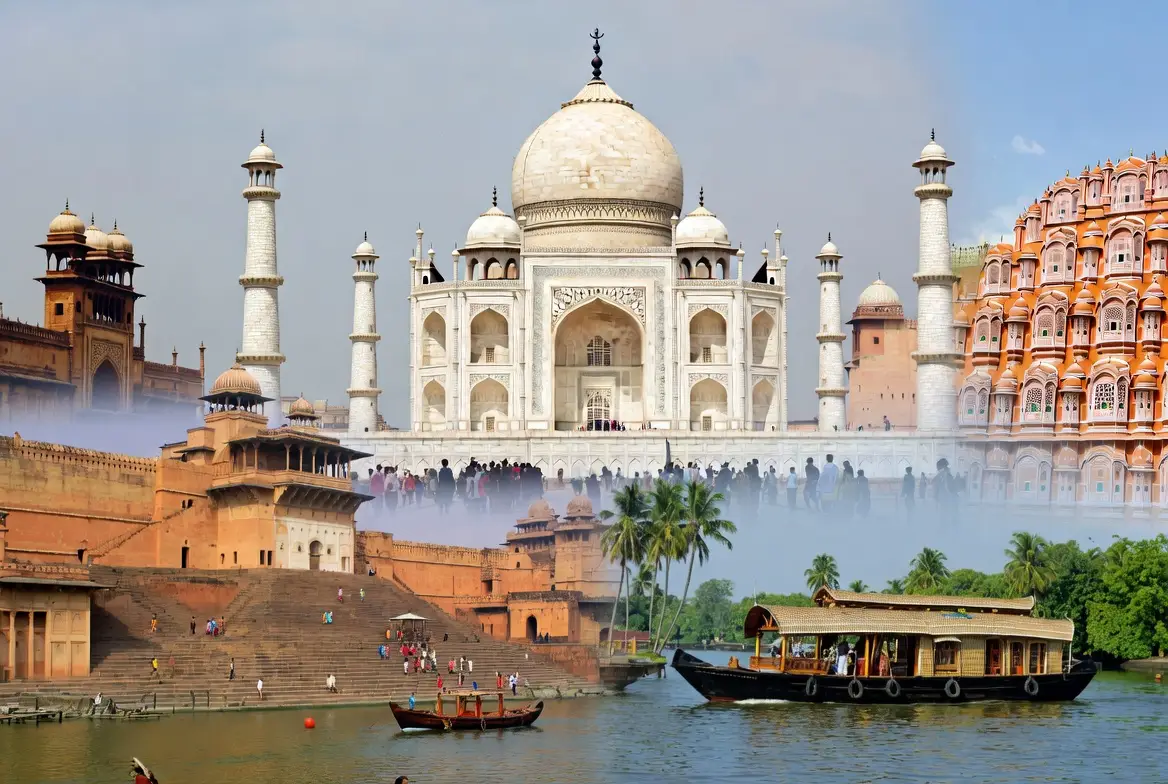
Planning the perfect trip to India is all about choosing the best time to travel in India. After years of traversing the corners, from the snowy valleys of Kashmir to the spice-scented backwaters of Kerala, I realised one the timing of your journey can completely transform your travel experience.
This India travel guide has been designed to help you plan wiser, avoid weather surprises, and enjoy the country in all its glory. Be it a backpacking trip, a luxury getaway, or cultural exploration, an understanding of the trends in Indian travel during 2026 and its climate pattern puts you right on track for a perfect experience.
Why Timing Your Trip in India Matters
Each time someone asks me, “What is the best time to travel in India?“, I always smile-just because there’s no one answer to that. Indeed, India is itself a continent of climates. It took me years to learn, often the hard way, that checking an India weather guide before finalising your itinerary saves you from heat waves, monsoon flooding, or extreme winter chills.
Time it right, and India welcomes you with cool breezes, vibrant festivals, crystal-clear mountain views, blooming valleys, and sunny beaches. Time it wrong… and you’ll be spending your vacation escaping humidity, rainstorms, or scorching sun. That is why when to visit India is a question that every traveller must explore with due care.
How Weather Affects Your Travel Experience
After ten years of travel through different states, I can firmly say: the weather can make or break your trip. My first-ever trip to Rajasthan was in May, and that was a big mistake! The heat was so unbearable that walking for 10 minutes felt like a good workout. On the other hand, a winter trip to Himachal gave me some of the best mountain views I’ve ever seen. That is why understanding the climate of India and seasonal travel in India becomes so important.
Weathering effects:
- How long can you be outside
- Your comfort level
- Road and flight conditions
- Availability and Prices of Hotels
- Overall catchment of the destination.
Knowing the exact months will help in exploring India in the right manner.
Regional Climate Differences Across India
The weather in India is just all over the place. I can confidently say that after several years of exploring north, south, east, and west, each region feels like an entirely different world in so many ways.
Even in April, the mornings can be icy cold in the Himalayas. The year-round humidity of Kerala wraps you in a warm blanket; the deserts of Rajasthan are unforgiving during summers and magical during winters. The northeast of India transforms into a lush, green paradise during the monsoon season. These differences form the backbone of this guide, as understanding regional climate variation in India, the climate of North India, and the weather of South India will help match destinations with the right months.
India Seasons Explained – When to Visit India
Understanding India’s seasons is the foundation of planning the perfect trip. Over the years, as I travel from the chilled peaks of Uttarakhand to the warm coasts of Tamil Nadu, I come to know that the Indian climate changes dramatically every few hundred kilometres. This is why choosing the best month to visit India depends heavily on which region you’re exploring.
The country has four dominant travel-defining seasons: Winter, Summer, Monsoon, and Post-Monsoon/Autumn. Each season comes with its unique charm, different landscapes, and a completely different travel experience.
Winter in India (October – February)
Travelling across India during winter tops my personal experiences. If someone asks me about the best month to visit India, my answer is almost, if not always, winter- especially November to February.
Winter changes India into a traveller’s heaven:
- The mountains become crisp, snow-kissed, and breathtakingly scenic in North India.
- Finally, cities like Delhi, Jaipur, and Agra become walkable without scorching heat.
- Beaches of Goa, Kerala, and Andaman shine under perfect sunshine.
From my own travels, winter is when India feels most vibrant. I remember standing before the Taj Mahal on a misty December morning-its beauty doubled by the soft winter fog. Even hill stations like Shimla, Manali, and Gulmarg become dreamy snow destinations during this time.
Best for:
- Tourist Muts
- Beaches
- Honeymoon trips
- Diwali, Christmas, New Year
- Festivals
For a comfortable, clear-sky experience and outdoor-friendly weather, winter is undeniably one of the best times to explore India.
Summer in India (March – June)
Many travellers avoid summer because of the heat-but honestly, if you plan it correctly, summer can be magical. Yes, the plains do get hot, at times very hot, but this is also the time when hill stations come alive.
Some of my finest journeys in the Himalayas have been in April and May. Standing at Rohtang Pass, surrounded by snow while the rest of India sweat,s is a feeling I will never forget.
During summer:
- Himachal Pradesh, Kashmir, Uttarakhand, and Sikkim are at their scenic best.
- Trekking routes become accessible once the winter snow melts.
- The wildlife sightings are at their peak because the animals come out for water.
But cities like Delhi, Jaipur, and Varanasi often get very hot, crossing 40°C regularly. If you are heat-intolerant, avoid the plains completely.
Best for:
- Hill stations
- Trekking
- Lakes & valleys
- Road trips to Kashmir & Himachal
So, while summer isn’t ideal for every region, it is brilliant for mountain lovers.
Monsoon Season in India (July – September)
Monsoon, in India, is like poetry: beautiful, dramatic, and unpredictable. I’ve had some of the most memorable monsoon trips, especially in the Western Ghats of Karnataka, Goa, and Maharashtra, where every hill turns green.
But yes, the monsoon also brings challenges:
- Landslides in hilly areas
- Delayed flights and trains
- Heavy rain in coastal areas
- Humidity in major cities
Still, the charm of rain-washed India is undeniable. I can recall driving through Kerala in the monsoon, the tea gardens greener than ever, waterfalls gushing with intensity, and the entire region alive. Despite being chronically underrated, the monsoon can actually be a great travel season if you pick the right destinations.
Best for:
- Green landscapes
- Waterfalls
- Budget travelling with huge discounts
- Ayurveda retreats in Kerala
The monsoon is not the best time for every traveller to come to India, but if you love nature, it is a masterpiece.
Post-Monsoon & Autumn Travel (September – October)
If I had to choose a single season that perfectly balances comfort, scenery, and clear weather, Autumn would be my pick. This is that sweet spot between monsoon ending and winter beginning. During my travels, September and October have consistently given me some of the best experiences:
- Clean, fresh air after the monsoon.
- Clear mountain views
- Blooming landscapes
- Perfect travel temperatures
- Start of India’s festive season
This is the best season, especially for North India. The mountains look washed and vibrant. It’s also one of the best times for photography because of the golden light, clear skies, and lush backgrounds.
Best for:
- Tourist Attractions
- Photography
- Early winter trips
- Checks: Rajasthan, Himachal, Uttarakhand
- Starting of festival travel, i.e., Navratri & Dussehra. Indeed,
Autumn is one of the most underrated travel seasons in India, but it genuinely deserves more attention.
Best Time to Travel in India – Month-by-Month
One of the smartest ways to plan your trip is a month-by-month approach to travelling in India. The country changes dramatically every month-festivals, weather, landscapes, and even local travel costs shift constantly. My own India travel calendar has been shaped by experience over the years-from freezing winter mornings in Himachal to warm sunsets in Goa, and rain-washed drives through Kerala.
January – Winter Escapes in India
January is easily one of the best months to travel in India, especially if one is after crisp weather, clear skies, and ideal outdoor conditions. Whenever I travel in January, I love North India because the weather is refreshing; it feels as though nature has hit its reset button.
What I personally like:
- Exploring Jaipur’s forts without sweating
- Snowfall in Himachal, Kashmir, and Uttarakhand
- Relaxed sunny afternoons on Goa’s beaches
- Incredible sightings of wildlife in Ranthambore and Jim Corbett
If you enjoy winter vibes and fresh mountain air, January will never disappoint.
Best picks in January:
- Rajasthan
- Delhi–Agra
- Rann of Kutch
- Shimla, Manali, Gulmarg
- Goan beaches, Gokarna, Andaman
February- Weather at its Best & Festivals
February is the month when India feels the most comfortable. It’s neither too cold nor warm—what I call India’s sweet spot. If anyone asks me about the best month for an Indian trip, February always hits my top 3.
Why I love travelling in February:
- Everything blooms, especially in the Himalayan foothills.
- The skies remain clear—ideal for sightseeing.
- Amazing festivals ranging from the Goa Carnival, the Khajuraho Dance Festival, to the Desert Festival Jaisalmer.
- Pre-summer calmness, fewer crowds
February is perfect for couples, families, and solo travellers who want to enjoy good weather without chaos.
Best picks in February:
- Backwaters of Kerala
- Udaipur, Jodhpur
- Hampi, Mysore
- Meghalaya
- Goa – (Carnival season)
March – Spring begins in India
March heralds the onset of spring in India, and this transition is very refreshing. I have always enjoyed March for its balance—mornings are cool, afternoons become mildly warm, and evenings continue to remain breezy.
What makes March special:
- Spring blooms across the Himalayas
- Amazing travel visibility– ideal for photography
- One of India’s most vibrant festivals: Holi
- Great time for cultural trips and outdoor tours
March is an ideal time to mix sightseeing with cultural experiences and nature.
Best picks in March:
- Mathura & Vrindavan (Holi Festival)
- Sikkim
- Spiti Valley – late winter landscapes
- Rajasthan road trips
April – Summer Destinations & Hill Stations
April is when the heat begins in the plains, so it’s a good time to escape to the hill stations. Now, personally, April is when I start planning trips to the Himalayas—its this perfect point wherein the snow begins melting and revealing lush valleys.
Why April works:
- Flower valleys bloom in Uttarakhand and Himachal
- The trekking season starts in many regions
- Hill stations remain pleasantly cool.
- Tea gardens in southern India are a sight to see.
If the heat bothers you, just pick a mountain destination, and April will feel perfect.
Best picks in April:
- Manali, Dharamshala, Dalhousie
- Kashmir (Tulip Festival)
- Ooty, Munnar
- Sikkim, Darjeeling
May – Best Mountains & Trekking Trips
May is peak summer. But honestly, for mountain lovers, this is one of the best months for an India trip—because this is when the Himalayas open fully.
My best memories from May:
- Kedarkantha, Triund, and Hampta Pass Trekking
- Full bloom in the valley regions.
- Enjoying snow patches at higher altitudes
- Spiti & Ladakh road trips (early season)
Even as the rest of India burns under heat waves, the mountains remain cool and inviting.
Best picks in May:
- Trekking in Uttarakhand & Himachal
- Kashmir & Gulmarg
- Spiti Valley (start of the season)
- Meghalaya
June – Monsoon Approaches
It is an interesting month—summer starts to fade, the clouds gather, and the first pre-monsoon showers cool down the country. Personally, June is like a dramatic transition of energies.
Why June is unique:
- Perfect time to witness Ladakh and Spiti in peak beauty.
- Hill stations are still pleasant but less crowded
- Good time for early monsoon lovers
- Great for photography with dramatic skies
June is also the month of vacations in most schools in India, so expect crowds but also lots of travel deals.
Best picks in June:
- Ladakh road trips
- Spiti Valley
- Coorg & Wayanad: pre-monsoon lushness
- Meghalaya waterfalls begin with
July – Lush Green India During Monsoon
By July, India is fully under the sway of the monsoon. One of my favourite months, since the landscapes get unbelievably green. Yes, monsoon has challenges, but it also brings beauty that no other season can match.
What I enjoy on a personal basis is:
- Waterfalls at full force
- Green mountains everywhere
- Misty sunrises in the Western Ghats
- Low travel costs
If you’re okay with some rain, July offers you the magical side of India.
Best picks in July:
- Kerala
- Western Ghats (Mahabaleshwar, Coorg, Munnar)
- Goa-off-season charm
- Meghalaya – glowing waterfalls
August – Monsoon Travel & Scenic Routes
August is still a monsoon-heavy month, but calmer. I’ve taken some of my best monsoon road trips in August, especially in Karnataka and Maharashtra.
Why August works:
- Lush greenery anywhere.
- Rice fields are glowing in bright green.
- Waterfalls even stronger
- Cultural festivals in Kerala, like Onam
It’s a great time for peaceful, scenic travel.
Best picks in August:
- Kerala – Onam Festival
- Coorg & Chikmagalur
- Goa off-season
- Kodaikanal & Wayanad
September – Perfect Transition Month
September is one of the best months for India travel-the rain weakens, the skies clear, and everything stays fresh and green. This is the month I love to undertake photography trips, as the lighting is simply perfect.
Why September is amazing:
- Clean air & clear views
- Lakes, mountains & forests look vivid.
- Perfect pre-winter temperatures
- Great time for budget travel
This month ushers in the high season for travel in India.
Best picks in September:
- Himachal & Uttarakhand
- Rajasthan – pleasant evenings begin
- Kerala – still green but less rainy
- Andaman
October: Beginning of the Tourist Season
October marks the start of the actual tourist season in India; the weather stabilises, the skies go blue, and everything turns travel-friendly. October has given me some of my best travel memories.
Why I recommend October:
- Clear skies for sightseeing
- Perfect temperature everywhere
- Navratri & Dussehra celebrations
- Start of beach season
October is the most balanced month: comfortable, beautiful, and culturally rich.
Best picks in October:
- Rajasthan
- Himachal & Uttarakhand
- Varanasi-start preparation for Dev Deepawali
- Goa
November – Clear Skies & Festivals
November is surely one of the best months to visit India: it constitutes the heart of the travel season, with ideal weather, cultural celebrations, and great visibility.
Why November stands out:
- Diwali Celebrations across India
- Best weather for sightseeing
- Perfect beach days in Goa, Kerala, and Andaman
- Winter starts showing in North India
From deserts to mountains to beaches, November is great everywhere.
Best picks in November:
- Rajasthan (Pushkar Fair)
- Delhi, Agra
- Goa & Kerala
- Meghalaya
December – Holiday Season Travel in India
December is magical, be it Christmas in Goa or snow in the Himalayas; it is just so festive and vibrant across India. I personally love how December makes every destination feel special. December highlights: Snowfall in the mountains, Peak beach season in Goa, Christmas celebrations. Best time for road trips. It’s also one of the busiest months, so plan early. Best picks in December: Goa (Christmas & New Year), Manali, Shimla, Gulmarg (snowy region), Jaipur, Udaipur, and Jaisalmer, Andaman Islands
Best Time to Visit Popular Regions in India
India is vast, diverse, and dramatically changing, with its landscapes from region to region. Choosing the best time to visit each region of India really can change your travel experience.
North India – Himachal, Kashmir, Uttarakhand, Delhi
The part of the country I have covered most personally in travel is North India-from trekking in Himachal and seeing snowfall in Kashmir to exploring the temples in Uttarakhand; this region always feels to me like multiple countries packed into one.
Best Time to Visit:
- Autumn (Oct–Nov): crystal clear weather, golden light – perfect for photography.
- Winter (Dec–Feb): Winter is the time for snow lovers, and I still remember my first snowfall in Gulmarg, which was no less than a walk inside a postcard.
- Summer (March–June): March–June The entire country is warming up, but during this time, the hill stations of Manali, Shimla, Nainital, Mussoorie and Auli are cool.
Climate Experience
The weather in North India is extreme:
- During the summer, Delhi and Jaipur are both very hot.
- During winter, Himachal and Kashmir are snowy and magical.
- Just after the monsoon, Uttarakhand is green and ideal for trekking.
Best for:
- Trekking and adventure.
- Snow experiences
- Photographic Trips
- Hill station vacations
South India – Kerala, Tamil Nadu, Karnataka
It is towards South India that I head whenever the mind craves calm, greenery, food, and slowness in the pace of travel. From sipping fresh coconut water in Kerala to exploring ancient temples in Tamil Nadu, this feels culturally richer and spiritually deeper.
Why is this time best for a Visit?
- The weather is more pleasant and less humid, while the landscapes are fresh, having been washed by the monsoon.
- Backwaters are at their best in Kerala, with the leaves of the coconut trees reflected in them as though in a mirror.
- Tamil Nadu is much cooler, therefore providing extremely comfortable visits to the temples.
- The places best suited for coffee plantation tours are Coorg and Chikmagalur hill stations in Karnataka.
Climate Experience
- The region mainly comprises:
- Warm tropical climate
- Heavy monsoons – June to September
- Light winters are suitable for sightseeing.
Best For
- Backwaters & beaches
- Ayurveda retreats
- Temple tourism
- Coffee estates & wildlife parks
East India – Assam, Meghalaya, Kolkata
It is as if nature has been left to its own devices in East India. Waterfalls of Meghalaya, the tea gardens of Assam, and the cultural heritage of Kolkata-all entwine with each other so soulfully pure. The Meghalaya trip was one of the most peaceful journeys ever taken by me; in particular, driving through misty roads at Cherrapunjee.
Best Time to Visit:
- The waterfalls of Meghalaya are at their best after the monsoon, without any heavy rains.
- Assam is green and fresh, especially in these winter safari months.
- Kolkata starts getting cooler, and hence festivals are a big draw, along with food markets.
Climate Experience?
- Heavy monsoons in Meghalaya, one of the wettest places on Earth.
- Cooler, drier winters are ideal for travelling.
- Spring blooms across the region
Best For:
- TEA GARDEN TOURISM
- Waterfall chasing
- Cultural tourism
- Wildlife Safaris in Assam: Kaziranga & Manas
West India – Rajasthan, Gujarat, Goa, Maharashtra
From deserts to beaches, forts, nightlife, and even major festivals, it is a land of contrast. Be it trekking on the golden dunes of Jaisalmer or enjoying the serene beaches of Goa, some of my fondest memories of travel come from this part of India.
Best Time to Visit:
- Rajasthan becomes delightfully cool and is perfect for touring among the forts, palaces, and deserts.
- This is peak beach season in Goa, with tranquil seas and pulsating nightlife.
- Gujarat shines brighter during the Rann Utsav when the white deserts shine with moonlight.
- Refreshing post-monsoon Maharashtra hill stations include Mahabaleshwar and Lonavala.
Climate Experience?
- Rajasthan has extreme summers → avoid March–June
- Goa monsoon is scenic but rough for water sports
- Gujarat remains pleasant in winter
Central India – Madhya Pradesh & Chhattisgarh
Central India is the centre point for all experiences that range from spotting tigers in Bandhavgarh to waterfalls in Chhattisgarh. I still remember my first tiger sighting in Kanha, and it is just impossible to forget that moment.
Reason for Visit:
- Weather: dry and cool; best time to go on safaris.
- Forests are more open, therefore increasing the visibility of animals.
- Many national parks remain shut during the monsoon months.
- Weathering very hot summers → Avoid April–June. Mild winters,
Best for several outdoor activities
- Tiger safaris
- Waterfalls and caves
- Heritage and ancient sites
- Photography tours
Best Time to Visit India Based on Travel Interests
One thing I learned while travelling across India for years is that the “best time” completely changes depending on why you take the trip. Whether you want beaches, mountains, culture, wildlife, or festivals, India offers a perfect season for every type of traveller.
Best Time for Beaches in India
If you are planning an Indian beach holiday, the best months are from November to February. These months give you sunny days, cooler evenings, calm seas, and perfect beach vibes. My best beach memories — whether it was watching sunsets in Goa, walking along Kovalam Beach in Kerala, or exploring the untouched Andaman islands — have always been in these winter months.
Why This Season is Best
- Clear blue skies & comfortable humidity
- Ideal sea conditions for swimming & water sports
- Vibrant beach shacks, cafes, nightlife
- Festivals like Sunburn, Christmas & New Year celebrations
Top Beach Destinations in India
- Goa
- Gokarna
- Andaman & Nicobar Islands
- Pondicherry
- Varkala & Kovalam (Kerala)
The weather during the monsoon season, though scenic and romantic, is not so ideal for water activities. If you love dramatic waves and empty beaches, monsoon is also a great offbeat option.
Best Time for Hill Stations & Mountains
The mountains of India-be it the Himalayas or the Western Ghats-have their own charm in every season. Personally, mountains are where I feel most alive, and timing your trip can make the scenery even more unforgettable.
Why These Months Are Best
- Summer: perfect for getting away from the heat; beautiful scenery, trekking, and camping.
- Winter: Snowfall in Himachal, Kashmir & Uttarakhand
- Autumn: Crystal-clear skies, best photography conditions
Best Hill Destinations in India
- Manali, Shimla, Dharamshala
- Auli, Nainital, Mussoorie
- Munnar & Ooty in South India
- Meghalaya & Sikkim are for lush landscapes.
If you love snow, it’s magical in December–February. For trekking and adventure, March–June and September–November are the safest and most rewarding.
Best Time for Wildlife Safaris
For people like me who dream of spotting big cats, tigers, elephants, rhinos, and leopards, India is one of the best countries for wildlife tourism. In fact, some of the best safaris I have ever had – especially at Bandhavgarh, Kanha, and Kaziranga – happened when I visited them during the dry winter months.
Why This Season is the best
- Less dense forests → better visibility of animals
- Water sources dry up, so wildlife gathers at lakes.
- Pleasant mornings and evenings for jeep safaris
Best Safari Destinations in India
- Central India: Bandhavgarh, Kanha, Pench
- Rajasthan: Ranthambore
- Assam: Kaziranga (for rhinos)
- South India: Kabini, Periyar, Bandipur
Avoid July–September because many parks remain closed due to the monsoon.
Best Time for Honeymoon Trips in India
India is an ideal destination for honeymooners because of its beaches, backwaters, mountains, and deserts, not to mention the luxurious resorts. The best honeymoon season in India depends on the type of experience you want, but I always recommend November–March because the weather is delightful nationwide.
Best Months:
- Winter brings cool, romantic weather.
- Clear skies → great for photos
- Best conditions for beaches, mountains, and city tours
Best Honeymoon Destinations
- Kashmir (snow & romance)
- Goa- beaches and nightlife.
- Udaipur: luxury stays & lakes
- Kerala (backwaters & houseboats)
- Manali & Sikkim: mountain charm
For monsoon lovers, June–September would be ideal for offbeat honeymoon spots like Munnar, Lonavala, Coorg & Mahabaleshwar.
Best Time for Adventure & Trekking
Adventure travelling in India has become a very important part of my life — from Himalayan treks to paragliding, river rafting, bungee jumping, and desert adventures. The country’s diverse terrain means you can find adventures in every season.
Why These Are Ideal
- Stable weather
- Clear views & safer trails
- Snow melts during summer → higher altitude treks open.
- Post-monsoon → new landscapes
Best Adventure Destinations
- Trekking: Kashmir Great Lakes, Hampta Pass, Kedarkantha, Sandakphu
- Water adventures: Rishikesh (rafting), Goa – water sports.
- Desert adventures: Jaisalmer camel safaris, jeep rides
- Aerial Adventure: Bir Billing (paragliding)
Avoid trekking during monsoon months as the trails are slippery and dangerous.
Best Time for Cultural & Heritage Travel
Imagine going to a country like India, steeped in history, architecture, forts, palaces, temples, and cultural experiences. Having visited various heritage sites in Rajasthan, Tamil Nadu, Karnataka, and Delhi, I can tell you one thing for sure: the weather impacts everything.
Best Months:
October – March
Why This Period Is Best
- Comfortable weather for walking tours
- Best light for photography
- Active festival season
All heritage sites are fully functional.
Best Places for Cultural Travel
- Rajasthan: forts, palaces, old cities
- Delhi & Agra (Red Fort, Qutub Minar, Taj Mahal)
- Tamil Nadu: temples of Madurai, Mahabalipuram
- Karnataka (Hampi, Mysore Palace)
- Gujarat (Somnath, Rani ki Vav)
Summer is often scorching hot, so long walking tours can sometimes be extremely difficult.
Best Time for Festival Tourism in India
One of my favourite ways to enjoy India is through festival tourism. From the lights of Diwali to the colours of Holi, from the dances of Navratri to the Onam celebrations, India becomes unbelievably vibrant during festival months.
Why This Period Is Best
- Major festivals fall in these months.
- Ideal weather for outdoor celebrations
- Cultural events, fairs, night markets & food fests
Major Festivals by Month
- September: Onam, Ganesh Chaturthi
- October: Navratri, Durga Puja, Dussehra
- November: Diwali, Pushkar Fair
- December: Christmas & New Year
- January: Pongal, Makar Sankranti, Republic Day
- March: Holi Festival tourism is also one of the best ways to experience India’s diversity, traditions, and hospitality.
Top Festivals & Events – Best Time to Experience India’s Culture
If there is anything that defines the soul of India, it is its festivals. No matter what month you choose to travel, some part of this vast country is gearing up for a celebration. Be it the grandeur of Diwali, the vibrancy of Holi, the spirituality of Durga Puja, or the Christmas vibes by the coast in Goa, every festival metamorphoses India into something magical.
Diwali – Festival of Lights
If I had to name only one festival any traveller should witness, it would definitely be Diwali. It is generally referred to as the Festival of Lights, and it usually falls in October or November, according to the lunar calendar. My first ever Diwali in Jaipur simply left me spellbound. The city glistened with diyas at every house, bright-colored rangolis at the entrance, fireworks dotting the whole sky, and a family celebration of sweets and prayers. It was like the streets were golden rivers of light.
Why one should experience Diwali:
- Decorations make cities look awesome.
- Perfect time for photography
- The families welcome one with unmatched hospitality.
- Food, sweets, and festive markets lend magic.
Ideal weather in most parts of India: cool and pleasant.
Diwali: Where to Celebrate It Best
- Jaipur-the city, literally shines like a jewel.
- Varanasi: Ghat Ceremonies + Fireworks
- Delhi
- Amritsar: Golden Temple is amazing.
If you’re planning to experience India’s cultural events, Diwali offers a perfect combination of tradition, joy, and celebration.
Holi – Festival of Colours
Holi, one of the most pleasurable and spirited festivals of India, falls in March. This is the time when people come together, forgetting differences, applying colours to each other, dancing to their heart’s content, enjoying music, and celebrating the arrival of spring. The Holi I spent in Mathura-Vrindavan is the most unforgettable memory of my life. Streets filled with pink and yellow and blue powder, people laughing, drums beating, flowers showering. It felt like a celebration of life itself.
What Makes Holi Special
- A celebration of spring & new beginnings
- Regardless of background, individuals come together.
- Full of music, dance, tradition, and culture.
- An excellent opportunity for photography
Best Places to Celebrate Holi
- Mathura & Vrindavan: Traditional temple Holi
- Barsana (Lathmar Holi)
- Jaipur & Pushkar
- Delhi & Gurgaon
If you happen to visit in March, Holi is the most colourful cultural experience that one can get in India.
Navratri & Dussehra
While Navratri is nine nights of devotion and dance, usually falling in the month of September or October, Dussehra symbolises the victory of good over evil. I once celebrated Navratri in Gujarat, and believe me, there’s nothing like those nights of Garba dancing. People of all age groups donned different colored traditional attire, dancing in rounds to live music; it felt like the entire city had come alive.
What makes Navratri & Dussehra worth experiencing?
- Spiritual and Cultural Celebrations
- Iconic ‘garba’ nights in Gujarat
- Ramlila performances in Delhi
- Large processions and fairs
- Amazing street food.
Best Places to Experience
- Ahmedabad & Vadodara (world-famous Garba nights)
- Delhi (Ramlila at Red Fort grounds)
- Mysore (grand Dussehra parade)
- Kolkata (Navaratri coincides with Durga Puja)
These festivals represent the cultural diversity of India in the most energetic manner possible.
Durga Puja
Durga Puja is one of the most artistic and emotional festivals that are celebrated mainly in West Bengal, especially in Kolkata. It generally falls in September or October. Durga Puja in Kolkata was something that I had not experienced before. The city dons the look of an open-air art gallery with huge pandals, mindboggling décor, cultural performances, people decking up in their finest attire, and lastly, the most amazing street food. I have literally walked 15-20 km a day because every pandal looked better than the previous one.
Why Durga Puja is Unmissable
- World-class art & creativity in pandals
- Traditional dances, songs and performances
- Amazing food-sweets, in particular!
- The whole city celebrates together.
Best Places for Durga Puja
- Kolkata: Durga Puja’s global capital
- Siliguri
- Delhi CR Park
- Bengali communities in Mumbai
But if you are thinking of coming for festivals in India, then the season of Durga Puja is one of the richest cultural windows.
Christmas & New Year Celebrations in Goa
If one wants a celebration that combines Indian and Portuguese culture so wonderfully, there can be no better Christmas and New Year celebration than in Goa. Falling in December, this is considered the peak season regarding beach travel, nightlife, and cultural events. I remember going for midnight mass in one of those old churches in Goa, then coming out and taking a walk on the beach with all those fairy lights around. The vibe was peaceful, tropical, festive. And on New Year’s Eve in Goa, the parties, fireworks, and beach concerts. It’s something you must feel once in your life.
Why Goa is perfect during the festive season
- Beautifully decorated churches
- Night markets, music festivals, beach events
- Amazing weather: cool breeze with sunny days.
- International + Indian cultural mix.
Best places in Goa for festive fun:
- Baga & Calangute for big parties
- Anjuna & Vagator – Music festivals like Sunburn Panjim- churches & cultural programs
- South Goa beaches – peaceful celebrations
If one is looking for a tropical, vibrant, and yet relaxing holiday, December is the time to be in Goa.
When Not to Visit India – Avoid These Months
The magic of travelling across India can only be felt when its extreme seasons are respected. For a traveller who covered almost every corner of India, I have learned how some months can make your trip uncomfortable or expensive, or even unsafe. Knowing the worst time to visit India can actually save your entire holiday. And let me tell you, this is one part of your India travel planning you do not want to ignore.
Extreme Summer Heat Regions
In particular, the Indian summer can reach a crescendo much earlier than you think: April, May, and June. You walk into regions like that as if you were inside a dryer when temperatures cross 45° to 50°C. Even stepping out is physically exhausting if you have not developed immunity to heat waves.
Places in which the summer heat is unbearable:
- Rajasthan: Jaisalmer, Jodhpur and Bikaner – the relentless heat of the desert.
- Delhi, Haryana, Uttar Pradesh — the heatwaves are extreme and unsafe.
- Madhya Pradesh – central India sees scorching dry winds
- Gujarat – very hot; in particular, Kutch
- Telangana & Andhra Pradesh interior regions, famous for dangerous heat spikes
Why is this the worst time to visit India here?
You will have to bear dehydration, sunburn, dizziness, slow journeying, fewer outdoor activities, and extremely hot accommodation arrangements, unless you happen to stay in a premium hotel. Even locals avoid going outside during these months between 12 pm and 4 pm. If you still want to travel to India in summer, confine your trips to hill stations and avoid the plains altogether.
Heavy Monsoon Rainfall Areas
This is beautiful in India during the monsoon, usually between July and September of the year, but it’s pretty unpredictable. Too many tourists are underestimating it and end up with plans cancelled, landslides, floods, or blocked roads.
Regions to Avoid during Peak Monsoon:
- Kerala & Karnataka Coastal Belt: Extremely heavy rainfall.
- Mumbai & Konkan Coast – flooding is very common.
- Assam, Meghalaya, Nagaland-landslides & road blockages
- Himachal & Uttarakhand – known for dangerous landslides.
- Goa – beaches closed, sea rough, water sports not available
Why It’s a Bad Time to Visit:
Even the most adventurous souls often find that the monsoon brings treks, beaches, road trips, and safaris to a grinding halt. Trains get delayed, flights are cancelled, and highways are blocked. If you are planning a “smooth and relaxed holiday”, avoid monsoon-heavy regions.
High-Altitude Travel Restrictions
This is a lesser-known but very important point: high-altitude regions in India shut down for months because of snow and landslides, road blockades, and extreme temperatures.
Best example:
- Leh–Ladakh – closed from November to April
- Spiti Valley – winter closure of highway
- Rohtang Pass: closed due to heavy snowfall.
- Kedarnath, Gangotri, and Yamunotri – temples shut for the winter months
- Sikkim High Passes – Nathula, Gurudongmar: frequent snowfall blocks
What makes this the wrong time to visit:
- Oxygen levels drop
- The roads are closed.
- Temperatures drop below -20°C
- Without the proper equipment, travel becomes dangerous.
- Emergency services are limited.
Unless you are an experienced mountaineer, avoid these areas in deep winter.
Travel Packing Tips for Every Season in India
Diversity means that your packing list changes drastically with the season, as it does with the region. Having travelled for years throughout India-from the snowy Himalayas to the humid beaches of Kerala have put together efficient tips for you to pack for India that keep you comfortable, safe, and hassle-free during your entire journey.
Here is the personal packing breakdown every traveller needs:
Winter Packing Essentials
Winters in India vary from freezing mountains to mild cold in cities. Therefore, pack accordingly.
Must-pack winter essentials:
- Thermal innerwear for North India
- Fleece jacket or woollen sweater
- Puffer jacket for hill stations-Shimla, Manali, Kashmir
- Gloves, muffler, and beanie if travelling to the Himalayan regions
- Moisturiser & lip balm – winter dryness is intense
- Comfortable, warm shoes
If you are in Rajasthan during winter, days will be warm, but it might get surprisingly cold at night; wear layers rather than bulkier items.
Summer Packing Essentials
Packing for summer in India needs to be survival-friendly.
What to bring along:
- Loose-fitting cotton clothes
- UV sunglasses
- High-SPF sunscreen, 50+
- Electrolyte packets for dehydration
- Sun Cap/cap with a brim
- Reusable water bottle-Always keep oneself hydrated.
- Light scarf to protect from the sun & dust
Avoid denim since it traps heat; instead, wear lightweight and loose clothing.
Monsoon Packing Essentials
This is where most travellers go wrong: Monsoon requires smart, waterproof packing.
Monsoon must-haves:
- Waterproof bag covers
- Quick-dry clothes
- Antifungal powder/cream
- Raincoat or poncho
- Waterproof shoes/boots-not sports shoes–they get sopping wet
- Ziplock bags for electronics
- Mosquito repellent
If you are going to Goa or Kerala, pack light but waterproof; in the mountains, the roads often get very muddy, so bring anti-slip footwear.
Trekking & Adventure Gear
Trekking & Adventure Gear Adventure destinations in India, such as the Himalayas, Meghalaya, and Western Ghats, require sound preparation.
Essential equipment for trekking in India:
- Hiking boots with ankle support,
- A Light backpack with chest straps,
- Trekking poles-a boon on steep routes,
- A Headlamp for night trails,
- Thermal base layers for high-altitude treks
- Power bank: Mountains have limited charging points.
- Reusable water flask,
- Portable first-aid kit,
- Energy bars & dry fruits
For snow treks: Add gaiters, microspikes, waterproof gloves, and a snow jacket.
FAQs – Best Time to Travel in India
Which month is best for travel to India?
If I had to choose one, I’d say November is the best month to visit India, because of the pleasant weather practically everywhere, along with clear skies perfect for beaches, mountains, safaris, and cultural tours. October, December, January, and February are also excellent for most regions.
Can I visit India during the monsoon?
Definitely, you can. Monsoon travel is great in India if you choose the right places, which include Kerala, Coorg, Meghalaya, and Goa. These regions transform into lush and tranquil places. However, avoid landslide-prone mountain areas in the states of Himachal and Uttarakhand during heavy rainfall.
What is the best time for North India?
The best time for North India ranges from October to March. During these months, it is cool and ideal for places such as Delhi, Agra, Jaipur, and Varanasi. For mountains (Himachal, Uttarakhand, Kashmir), the ideal time is March–June or October–December.
Best time for South India beaches?
For South India beaches, including Goa, Kerala, Gokarna, Varkala, and Pondicherry, the best time is November to February. The weather is dry and sunny with a breeze, hence ideal for water sports and long days on the beach.
Is winter good for travelling in India?
Yes! Winter is also one of the best seasons to travel in India. It’s perfect for sightseeing, wildlife safaris, road trips, and beach vacations. While North Indian hill stations can get very cold, destinations such as those in Rajasthan, Goa, Kerala, Mumbai, and Hyderabad are ideal.
After travelling for years across India, from snowy Himalayan villages to peaceful Kerala backwaters biggest advice is simple: time your trip according to your purpose and the region, not the whole country. India’s climate changes drastically from north to south; hence, choosing the right month makes every experience smoother, brighter, and more enjoyable.
Whether you are planning a beach vacation, a cultural tour, a trekking adventure, or a honeymoon, always check seasonal weather in advance, pack accordingly, and do not rush through too many destinations at once. India rewards slow travellers, curious minds, and people who come with an open heart. My personal experience says that if you travel with patience and good timing, India will always give you memories that stay with you forever.